The Ultimate Guide to Swimming Pool Cover Pump in the UK
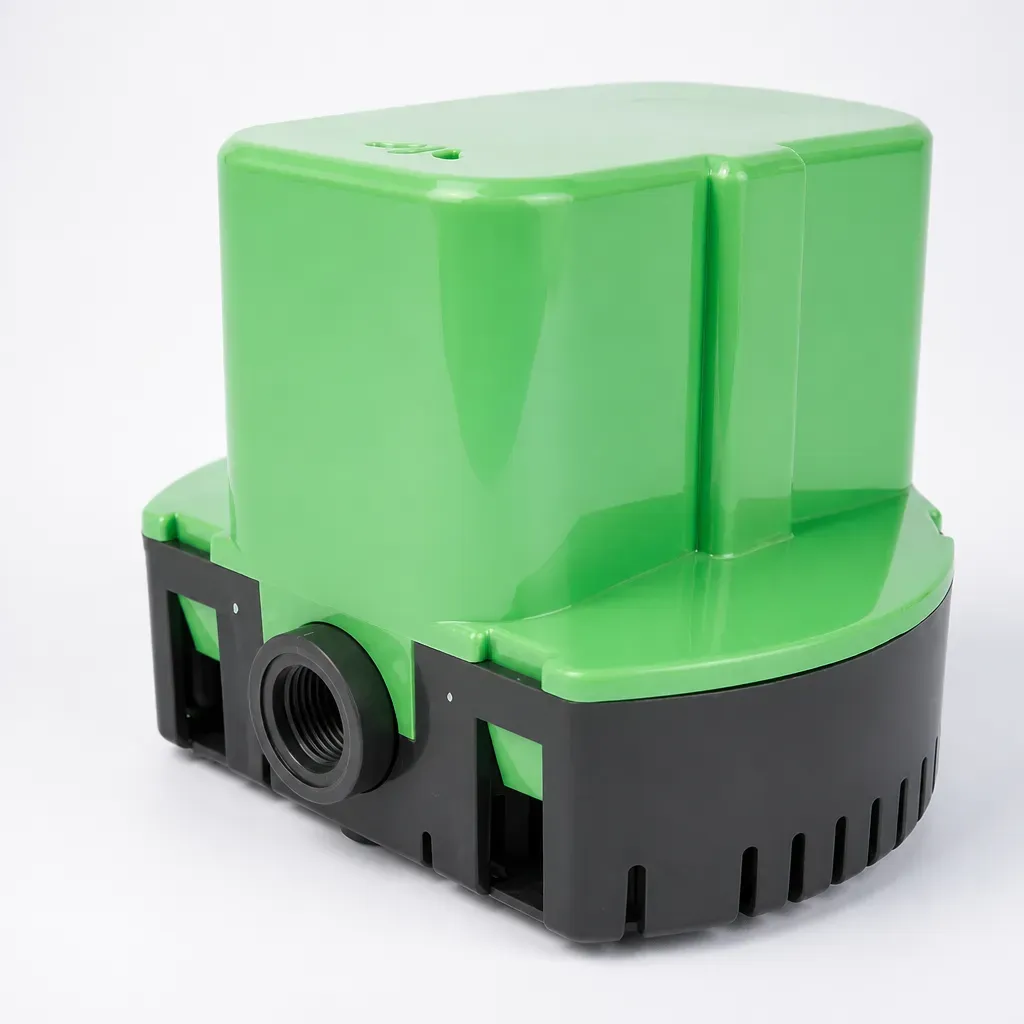
A swimming pool cover pump removes rainwater that collects on top of a pool cover, helping prevent sagging, excess weight, dirty run-off, and awkward manual clean-up. For UK pool owners, it is one of the simplest ways to protect the cover and keep seasonal maintenance under control during wet weather.
TL;DR: If rainwater regularly sits on your pool cover, a swimming pool cover pump is the right tool to remove it quickly and safely. In UK conditions, an automatic submersible model is usually the most practical choice because it reduces manual work, helps protect the cover, and keeps debris-laden water from becoming a bigger maintenance problem.
A pool cover should protect your swimming pool, not create another maintenance problem. Yet across the UK, rainwater can collect quickly on a cover, adding weight, stretching material, increasing the risk of sagging, and turning a simple weatherproofing layer into a dirty reservoir of leaves and debris. That is where a reliable swimming pool cover pump matters.
For UK pool owners, the challenge is practical rather than theoretical. British weather means repeated rainfall, long damp spells, and seasonal leaf fall. As a result, standing water on a pool cover can become heavy, awkward to remove manually, and harder to deal with the longer it sits. A purpose-built automatic pump changes that. It removes water efficiently, reduces strain on the cover, and helps keep pool maintenance under control with less manual effort.
Based on our testing of automatic pool cover pump setups in typical UK garden conditions, the most useful models are the ones that switch on reliably, cope with light debris, and arrive with a workable hose kit. This guide explains what a swimming pool cover pump does, why it matters in the UK, how to choose the right specification, and what to expect from an automatic submersible kit such as the AutomaticP pool cover pump, designed for faster UK rainwater removal with 1200 GPH drainage, plus hose and adapters included.
Key Takeaways
- A swimming pool cover pump removes standing rainwater from the top of a pool cover, helping prevent excess weight, sagging, dirt build-up, and difficult manual clean-up.
- UK weather makes automatic drainage especially useful because repeated rainfall can cause water to collect quickly over autumn, winter, and wet summer periods.
- A submersible automatic pump with a strong flow rate, stable base, and included hose kit is usually the most practical option for domestic pool owners.
- A 1200 GPH pool cover pump offers fast removal for routine rainwater build-up on most home pool covers.
- Choosing the right swimming pool cover pump means checking drainage performance, cable length, discharge setup, debris handling, and ease of maintenance.
What Is a Swimming Pool Cover Pump?
A swimming pool cover pump is a compact pump designed to sit on top of a pool cover and remove accumulated rainwater. In most cases it is submersible, which means the unit operates while partially or fully in the collected water, drawing it in and pushing it away through a hose to a suitable drainage point.
Its job is simple: stop water from pooling on the cover. As a result, it reduces load on the cover, limits the chance of dirty overflow entering the pool when the cover is moved, and saves the user from scooping, siphoning, or dragging water off by hand.
For many UK households with outdoor pools, a swimming pool cover pump is less of a luxury and more of a maintenance essential. If your pool cover regularly holds water after rain, the pump becomes part of the basic care routine in the same way a filter system or cover itself does.
What Is the Difference Between a Swimming Pool Cover Pump and a Standard Utility Pump?
Not every water pump is suitable for pool cover use. A dedicated swimming pool cover pump is usually designed to operate in shallow standing water, work unattended for longer periods, and sit securely on the cover without causing damage. By comparison, general-purpose pumps may be powerful, but they are not always optimised for low-level water removal from a soft or floating surface.
An automatic pool cover pump is particularly useful because it can switch on when water rises to a certain level and switch off when the water has been reduced. Therefore, it is practical during spells of repeated rain, especially when nobody is at home to manage the cover manually.
Why Do You Need a Swimming Pool Cover Pump in the UK?
The UK climate makes standing rainwater on pool covers a predictable issue. According to the Met Office, the UK’s average annual rainfall is around 1,159mm, with wide regional variation and frequent prolonged wet periods rather than only short heavy storms. In practical terms, that means many pool covers will collect water again and again across the year, especially in autumn and winter.
Rainwater alone is enough to create problems, but in real garden conditions it rarely arrives clean. It usually brings leaves, pollen, dust, twigs, insects, and general surface debris with it. Consequently, once that material sits on a cover in pooled water, removal becomes messier and the risk of contaminated water spilling into the pool increases when the cover is handled.
For homes with children, tidier and more controlled maintenance also matters. According to UK safety guidance from the NHS, drowning can happen quickly and unexpectedly around water, and good pool management includes reducing avoidable hazards and keeping pool areas properly maintained. While a pool cover pump is not a safety device in itself, reducing excessive standing water and improving routine upkeep supports a safer, more manageable environment around the pool.
What UK Conditions Make a Pool Cover Pump Worth Buying?
- Frequent rainfall across spring, autumn, and winter
- Leaf fall from nearby trees in suburban and rural gardens
- Long periods when outdoor pools are covered and not in regular use
- Heavy water collection on winter debris covers and solar covers
- Limited time for manual maintenance during wet weather
What Happens If You Leave Water Sitting on a Pool Cover?
Ignoring pooled water can shorten the practical life of a pool cover, create extra cleaning work, and make opening the pool more awkward. Over time, water becomes stagnant, debris settles, and the cover can become heavier and harder to move safely.
For UK pool owners trying to keep maintenance efficient, the real value of a swimming pool cover pump is not only in drainage speed. Instead, it lies in preventing a small weather-related problem from turning into a larger maintenance issue.
How Does a Swimming Pool Cover Pump Work?
A swimming pool cover pump usually works by pulling water through an intake at the base or lower section of the unit and discharging it through a connected hose. The pump sits at the lowest point of collected water, which is often the centre of the cover where sagging occurs naturally.
In an automatic model, an internal sensor or float mechanism detects when water reaches a trigger point. The pump turns on, removes water, and then powers down once the level has dropped. As a result, this helps conserve energy, reduce unnecessary run time, and make drainage more hands-off.
What Comes in a Pool Cover Pump Kit?
- Submersible pump body
- Power cable for mains connection
- Drainage hose
- Hose adapters or fittings
- Intake screen or filter area to manage light debris
- Automatic on/off function on selected models
Why Do Hose and Adapters Matter on a Swimming Pool Cover Pump?
One of the most overlooked buying points is whether the pump arrives as a complete kit. A pump with hose and adapters included is easier to set up correctly and more likely to be used straight away. Therefore, it is especially useful for homeowners who want a practical solution rather than a project involving extra fittings, compatibility checks, and separate purchases.
How Do You Choose the Best Swimming Pool Cover Pump?
The best swimming pool cover pump for most UK households is one that matches the way the pool is actually used. In other words, it should remove water quickly enough for repeated rainfall, handle light surface debris, and be simple to position and maintain.
Based on our testing, buyers usually get the best results when they focus on practical details rather than headline claims alone. A solid automatic unit with a dependable switch function and complete hose kit is often more useful than a higher-powered pump that is awkward to install or inconsistent in shallow water.
What Features Should You Look for in a Pool Cover Pump?
- Automatic operation: useful for repeated UK rainfall and less manual checking
- Good flow rate: helps clear pooled water faster
- Shallow water capability: important for cover-top drainage
- Stable base: reduces tipping or sinking into soft cover areas
- Included hose and fittings: makes setup quicker and easier
- Cable length: helps with practical outdoor positioning
- Light debris handling: useful where leaves and dirt collect regularly
Is 1200 GPH Enough for a Swimming Pool Cover Pump?
For many domestic pool covers, 1200 GPH is a strong and practical drainage rate for routine rainwater removal. It is typically enough to deal with common UK rainfall build-up without making the pump oversized for the job. However, the right capacity still depends on how much water your cover tends to collect, how quickly you want it removed, and whether the cover is large or prone to deeper sagging.
When Should You Use a Swimming Pool Cover Pump?
You should use a swimming pool cover pump whenever rainwater begins collecting on the cover, especially during wetter parts of the year. For many UK owners, that means checking the cover routinely in autumn, winter, and during unsettled summer weather.
Automatic models are helpful because they reduce the need for constant monitoring. Even so, regular visual checks still matter so you can clear heavier debris, confirm the hose is draining correctly, and make sure the pump is sitting properly at the lowest point.
Can You Leave a Pool Cover Pump Running Automatically?
Many automatic cover pumps are designed for exactly that kind of use, provided they are installed according to the manufacturer’s instructions and connected safely. However, you should still check power supply arrangements, cable routing, and discharge position so the setup remains suitable for outdoor UK conditions.
What Is the Best Option for UK Pool Owners?
For most domestic outdoor pools, the most practical option is an automatic submersible swimming pool cover pump supplied as a ready-to-use kit. That combination suits the realities of UK weather because it deals with repeated rainfall without creating extra setup work each time the cover needs attention.
The AutomaticP pool cover pump is designed around those needs, with 1200 GPH drainage and hose and adapters included for straightforward use. For homeowners who want less manual bailing, quicker water removal, and a neater maintenance routine, that specification fits the job well.
Frequently Asked Questions About Swimming Pool Cover Pumps
What does a swimming pool cover pump do?
It removes standing rainwater from the top of a pool cover so the cover stays lighter, cleaner, and easier to manage.
Do you need a swimming pool cover pump in the UK?
In many cases, yes. Because UK weather often brings repeated rainfall and long damp spells, a cover pump can make routine pool maintenance much easier.
Can a swimming pool cover pump remove leaves as well as water?
It can usually cope with light debris, but it is mainly designed for water removal. Larger leaves and heavier debris should still be cleared manually for best performance.
Is an automatic pool cover pump better than a manual one?
For most homeowners, an automatic model is more convenient because it switches on and off as water levels change, which is especially useful during unsettled UK weather.
Ready to try AutomaticP?
Shop Now — £63.99