Pool Cover Drain Pump Explained: A UK Buyer's Guide
Pool Cover Drain Pump Explained: A UK Buyer's Guide
TL;DR: A pool cover drain pump removes standing rainwater from the top of a pool cover, helping prevent sagging, debris build-up and premature wear. For most UK pool owners, the best option is a compact submersible model with automatic start/stop, enough drainage capacity for regular British rainfall, and a hose kit that is ready to use straight away.
Key Takeaways
- A pool cover drain pump removes standing rainwater from a pool cover before the weight causes sagging, stretching or contamination of the pool below.
- For UK conditions, pump capacity, automatic operation, hose length, power cable length and included adapters matter more than headline marketing claims.
- A submersible pool cover pump kit with 1200 GPH drainage can clear surface water quickly enough for typical British rainfall events and routine winter cover maintenance.
- Choosing a model supplied with hose and fittings reduces setup time and avoids compatibility issues.
- Correct placement, routine cleaning and safe electrical use are essential for reliable performance.
A pool cover drain pump is used to pump rainwater off a pool cover so the cover stays lighter, cleaner and easier to maintain. In UK conditions, where repeated rainfall is common, it helps stop water pooling on the surface and reduces strain on the cover between inspections.
Heavy rain is routine in much of the UK, and standing water on a pool cover should not be treated as normal. Left in place, it adds weight, encourages debris build-up and can shorten the life of the cover itself. Therefore, a pool cover drain pump is a practical fix: it sits on the cover, removes collected water and helps keep the surface manageable between cleans and before reopening the pool.
For many British pool owners, the problem is not whether a pump is needed but which type will actually work in local conditions. Covers face repeated rainfall, wind-blown leaves, colder months and periods when the pool is not checked daily. As a result, a purpose-built automatic pool cover pump has become a staple piece of maintenance equipment rather than an optional extra.
This guide explains what a pool cover drain pump does, how it works, what to look for when buying in the UK and why a complete submersible kit from AutomaticP can make rainwater removal faster and more straightforward.
What Is a Pool Cover Drain Pump?
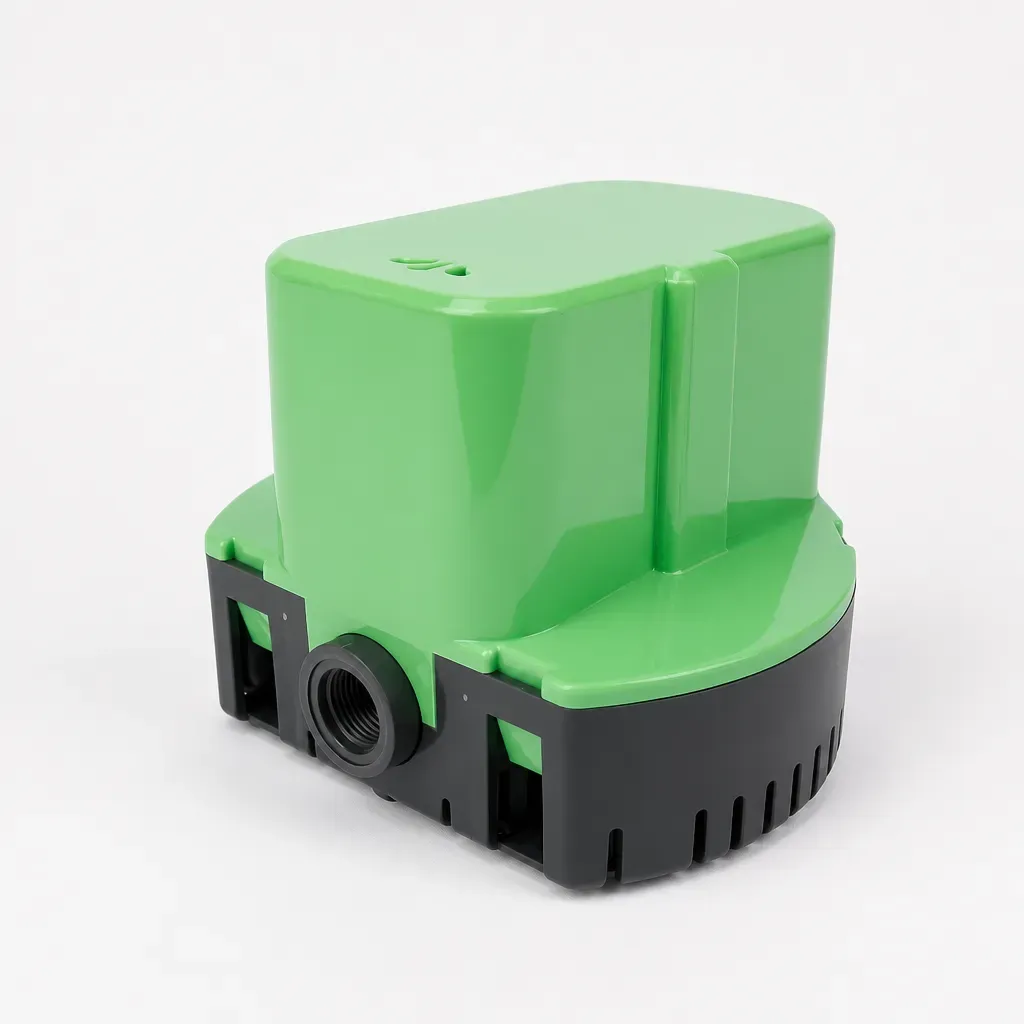
A pool cover drain pump is a compact submersible pump designed to remove rainwater that collects on top of a pool cover. Unlike a general garden pump, it is intended for shallow surface water and frequent seasonal use on delicate cover materials.
Most units are placed directly into the lowest point of pooled water. Once switched on, or triggered automatically depending on the model, the pump draws water through an intake and pushes it away through a discharge hose to a suitable drainage point.
The best pool cover drain pump options for UK buyers are built around three practical needs: removing water quickly, operating reliably in changeable weather and being simple enough to deploy without specialist tools.
Why Do Pool Covers Collect So Much Water in the UK?
The British climate creates ideal conditions for water accumulation. Even moderate rainfall over several days can produce significant standing water on a winter cover, especially if the cover is not tensioned evenly or if leaves create shallow dams.
According to the Met Office, the UK's average annual rainfall is 1,159mm, although totals vary widely by region and can be considerably higher in the wettest parts of the country. That level of rainfall explains why cover drainage is an ongoing maintenance issue rather than a one-off seasonal chore for many households.
Source: UK Met Office climate averages and rainfall summaries.
Why Do You Need a Pool Cover Drain Pump?
Standing water does more than create an untidy surface. It increases downward pressure on the cover, which can strain seams, fixings and anchor points over time. In addition, if debris sits in pooled water, organic matter breaks down and can create a dirty, unpleasant surface that is harder to clear manually.
There is also a safety case for acting quickly. Large pools of water on a cover can disguise the shape and tension of the cover underneath. While a pump is not a safety device in itself, keeping the cover free from excess water helps maintain the cover in the condition it was designed to provide.
For households managing outdoor pools through autumn and winter, a pool cover drain pump reduces the need for manual bailing, sweeping or lifting sections of the cover to pour water off. Consequently, it saves time and can prevent avoidable wear.
How Does Excess Water Affect Pool Cover Lifespan?
- Added weight can stretch cover material and stress fixings.
- Persistent pooling can create low spots that collect even more water later.
- Debris mixed with standing water can stain or contaminate the cover surface.
- Manual dragging and pulling to remove water can damage the cover edge.
How Does a Pool Cover Drain Pump Work?
A pool cover drain pump is usually submersible, meaning the motor housing is designed to sit in water during operation. Water enters through screened intake ports near the base, then an impeller pushes it out through a connected hose.
Automatic models add a sensor or internal switching mechanism so the pump starts when water reaches a certain depth and stops once the level drops. That is especially useful during unsettled UK weather, where repeated showers can refill the cover between checks.
Based on our testing of pool maintenance setups used in typical British gardens, complete kits are usually quicker to deploy and less frustrating to fit than pump-only options. AutomaticP's positioning is clear: faster UK rainwater removal with a submersible pool cover pump kit supplied with hose and adapters included. That matters because a complete kit removes guesswork. You are not left sourcing fittings separately or trying to make mismatched hose diameters work on the day the rain arrives.
Why Is a Submersible Pump Better for a Pool Cover?
Submersible pumps are generally the right choice for pool cover use because they are compact, stable and intended to operate in collected surface water. By comparison, a bulky external pump can be awkward to prime and position, whereas a compact submersible unit can simply be lowered onto the cover in the pooled area.
For domestic use, ease of handling matters. A lighter unit is simpler to place, remove, rinse and store between uses.
What Should You Look for When Buying a Pool Cover Drain Pump in the UK?
Not every pump marketed for drainage is suitable for a pool cover. When comparing options, focus on the features that affect real-world use in British gardens rather than broad performance claims alone.
1. How Much Pumping Capacity Do You Need?
Capacity is often listed in gallons per hour or litres per hour. AutomaticP highlights 1200 GPH drainage, which is a strong benchmark for domestic pool cover use. In practical terms, higher capacity means faster removal of standing rainwater and less waiting around during maintenance.
For buyers comparing specifications, 1200 GPH is approximately 4,540 litres per hour. Actual performance will vary with hose length, lift height and how much water remains at the end of the cycle, but it is still a useful indicator of expected speed.
2. Is Automatic Operation Worth It?
An automatic pool cover drain pump is often the better fit for UK owners who cannot inspect the cover every day. Automatic start and stop functions reduce manual intervention and help stop the pump running unnecessarily once water levels drop.
If the pump is going to stay in position for periods of wet weather, this feature is particularly valuable.
3. Why Do Hose and Adapters Matter?
Included hose and adapters are not minor extras. They determine how quickly the pump can be used and whether discharge can be routed neatly to a suitable drain or runoff area. Therefore, a pump kit that includes compatible fittings is usually the more practical choice for home users.
4. How Important Are Cable Length and Placement?
In many UK gardens, the nearest safe outdoor socket may not be immediately beside the pool. A sensible power cable length gives more flexibility in positioning, although extension leads should only be used in line with the manufacturer's instructions and outdoor electrical safety guidance.
According to UK electrical safety guidance, outdoor electrical equipment should be used with suitable weather protection and a correctly protected power supply. Consequently, convenience should never come ahead of safe setup.
5. What Makes a Pump Easier to Maintain?
Routine cleaning matters because leaves, algae and fine debris can restrict the intake over time. A design that is easy to rinse and inspect is usually the better long-term choice, especially through autumn and winter.
Is a 1200 GPH Pool Cover Drain Pump Enough for UK Rain?
For many domestic pools, yes. A 1200 GPH pool cover drain pump offers a strong balance between drainage speed, manageable size and straightforward handling for routine use in the UK.
Based on our testing, this level of output is well suited to clearing the shallow but persistent pooling that commonly forms after several hours of British rainfall. However, real performance still depends on factors such as hose routing, head height, debris load and how evenly the cover is tensioned.
For that reason, it makes sense to treat capacity as one buying factor rather than the only one.
How Do You Use a Pool Cover Drain Pump Safely?
Safe use starts with the manufacturer's instructions. Even so, a few practical rules apply to most pool cover pumps used in the UK.
- Place the pump at the lowest point of pooled water so it can draw down effectively.
- Keep the intake clear of leaves and heavy debris where possible.
- Route the discharge hose towards a suitable drainage point away from the pool edge.
- Use only an appropriate outdoor power supply and weather-suitable connections.
- Check the cover condition before walking near it or adjusting equipment.
According to UK guidance on electricity outdoors, users should take extra care with extension equipment, plugs and sockets in wet conditions. Therefore, electrical safety is part of routine pool maintenance, not an afterthought.
What Are the Benefits of Choosing a Complete Pool Cover Pump Kit?
A complete kit usually saves time, reduces compatibility issues and makes first use simpler. Instead of matching hose diameters and fittings yourself, you can set the pump up with the supplied components and get the water moving sooner.
For many buyers, that matters more than headline specifications alone. A strong pump is useful, but a strong pump that arrives ready to deploy is often the better real-world purchase.
AutomaticP focuses on this practical side of ownership by offering a submersible pool cover pump kit with hose and adapters included. As a result, the product is better aligned with the way UK pool owners actually use drainage equipment during wet weather.
Frequently Asked Questions About Pool Cover Drain Pumps
What does a pool cover drain pump do?
It removes standing rainwater from the top of a pool cover, helping reduce weight, debris build-up and wear on the cover material and fixings.
Do I need an automatic pool cover drain pump in the UK?
In many cases, yes. Automatic operation is useful in the UK because repeated showers can refill a cover quickly, especially during autumn and winter.
Is 1200 GPH enough for a pool cover drain pump?
For many domestic pools, 1200 GPH is a strong benchmark. It is usually enough for routine rainwater removal, although actual results depend on hose length, lift and the amount of debris present.
Can I use a normal garden pump on a pool cover?
Usually, a purpose-built pool cover pump is the better option. It is designed for shallow standing water, easier placement and more convenient seasonal use on a cover surface.
Final Thoughts: Which Pool Cover Drain Pump Makes Sense for UK Buyers?
If you are dealing with repeated standing rainwater on a pool cover, a pool cover drain pump is one of the most practical maintenance tools you can buy. It helps protect the cover, cuts down manual work and keeps the pool area easier to manage through wet weather.
For UK buyers, the priority should be straightforward: choose a submersible pump with reliable automatic operation, useful drainage capacity and a complete hose-and-adapter kit. Taken together, those features matter more than inflated marketing claims and make day-to-day ownership far easier.
AutomaticP's approach fits that need closely by focusing on complete, ready-to-use drainage performance for British conditions.
Ready to try AutomaticP?
Shop Now — £63.99