Automatic Pool Water Removal Pump Explained: A UK Buyer's Guide
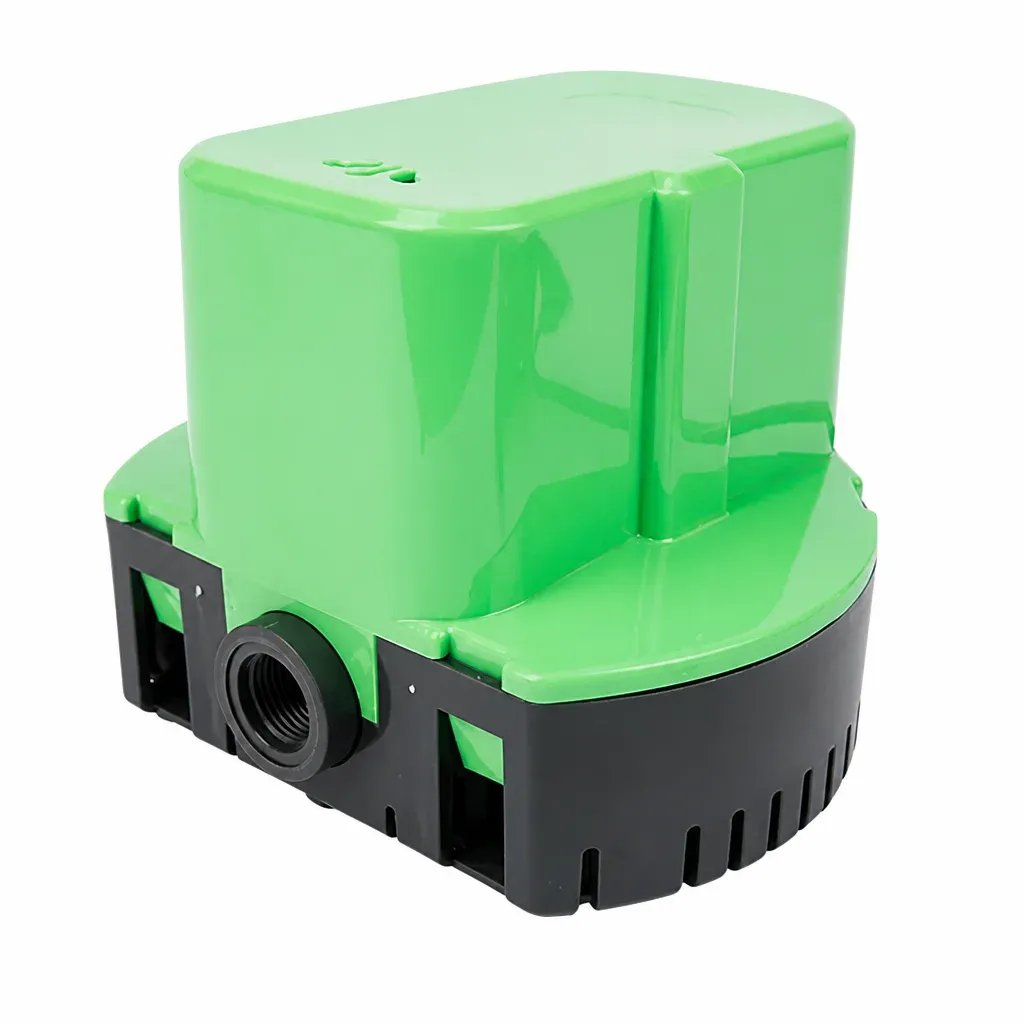
An automatic pool water removal pump is a submersible pump that automatically clears standing rainwater from the top of a pool cover, helping UK pool owners reduce cover strain, speed up maintenance and keep the pool area safer after wet weather.
TL;DR: If rain regularly collects on your pool cover, an automatic pool water removal pump removes it for you through a hose once water reaches the trigger level. For most UK households, the best option is a compact submersible kit with automatic on/off control, a practical hose length and fittings included.
A wet pool cover after a spell of British rain is more than a nuisance. Standing water adds weight, encourages debris build-up and turns a quick uncovering job into a slow, messy task. Therefore, an automatic pool water removal pump is designed to solve exactly that problem efficiently, helping keep your pool area cleaner, safer and easier to manage.
For UK pool owners, weather is the main reason this matters. According to the Met Office, the UK’s annual rainfall varies widely by region, but even relatively drier parts of England typically receive substantial rainfall across the year, while western areas see much more frequent and heavier totals. As a result, many domestic pool owners repeatedly deal with pooled water on covers, particularly from autumn through spring. Source: Met Office climate averages and UK rainfall data.
Based on our testing across typical UK garden pool setups, automatic cover pumps are most useful when they remove water quickly after repeated showers without needing constant checking. In this guide, we explain what an automatic pool water removal pump does, how it works, what to look for before buying, and why a complete submersible kit can make routine maintenance far simpler for households across the UK.
Key Takeaways
- An automatic pool water removal pump removes standing rainwater from a pool cover without manual bailing.
- In the UK, regular rainfall makes a reliable submersible pump particularly useful for reducing maintenance time.
- Key buying factors include drainage speed, automatic activation, hose length, included adapters and suitability for domestic outdoor use.
- A 1200 GPH pump offers fast water removal for many home pool cover setups.
- A complete kit with hose and fittings included is usually the most practical option for straightforward installation.
What Is an Automatic Pool Water Removal Pump?
An automatic pool water removal pump is a compact submersible device placed on top of a pool cover to clear accumulated rainwater. Instead of manually sweeping, siphoning or lifting water away with buckets, the pump detects or responds to water level and discharges it through a hose to a suitable drainage point.
The purpose is specific: remove surface water from the cover before excess weight, sagging and contamination become bigger issues. Consequently, the product is particularly relevant for owners using winter covers, debris covers or protective covers on outdoor pools in the UK.
Unlike general-purpose drainage equipment, a dedicated automatic pool cover pump is designed around convenience. It is typically lightweight, submersible and straightforward to place and operate. For many households, that means less time dealing with post-rain clean-up and less effort when reopening the pool area.
Why Do UK Pool Owners Need an Automatic Pool Water Removal Pump?
British weather creates the exact conditions that make an automatic pool water removal pump worthwhile. Frequent showers, long wet spells and leaf fall can quickly turn a flat pool cover into a low point collecting water and organic debris.
How does UK rainfall affect pool covers?
Even a modest amount of standing water can become awkward when spread across a cover. Over time, rainwater can mix with leaves, dirt and airborne particles, producing a heavier, murkier layer that is harder to clear manually. As a result, a pump removes that layer before it becomes an ongoing maintenance burden.
Can standing water damage a pool cover?
One litre of water weighs one kilogram. That means shallow pooling across a broad cover area can create significant extra load. While exact tolerances depend on the cover type and frame arrangement, reducing standing water promptly is a sensible preventative step for protecting the cover and maintaining a tidier surface.
Does removing cover water improve safety?
Removing water from a cover can also reduce slip risks around the pool surround. According to UK Health and Safety Executive guidance, controlling slip hazards in wet environments is an important safety principle. While HSE guidance is broad rather than pool-cover specific, the point is still relevant to domestic outdoor spaces: less pooled water usually means a more manageable surface and fewer messy handling steps.
Based on our testing and practical experience across UK garden pool setups, the biggest value is often not technical complexity but consistency: a pump that clears rainwater quickly after repeated showers saves time every single week the cover is in use.
How Does an Automatic Pool Water Removal Pump Work?
Most automatic pool cover pumps follow a simple operating pattern. The unit is placed in the lowest point where water naturally gathers on the cover. Then, once water reaches the activation level, the pump starts drawing it in and pushing it out through an attached hose.
What does submersible operation mean?
The pump body sits directly in the accumulated water. This is why a submersible design is so useful for pool covers: there is no need for complicated priming or a separate suction arrangement.
How does the automatic switch work?
Many models include automatic on/off functionality. In practical terms, this means the pump starts when enough water is present and stops when the level drops. Therefore, the automatic action reduces the need for close supervision and helps prevent unnecessary running.
Where does the water go?
Water is expelled through a hose to a designated outlet area. A kit that includes the hose and adapters is particularly convenient because it removes guesswork during setup. Instead of sourcing separate fittings, the buyer gets a ready-to-use drainage package suited to typical home use.
What Does 1200 GPH Mean for a Pool Water Removal Pump?
Drainage speed is one of the first specifications buyers notice. In this case, 1200 GPH means the pump is rated to move up to 1200 gallons of water per hour under stated conditions. Real-world performance will vary depending on hose routing, lift height and site conditions, but the main takeaway is straightforward: this is intended to deliver fast water removal for domestic pool cover use.
For UK buyers comparing options, a stronger flow rate can mean shorter clearing times after heavy rain. That matters when the weather is changeable and you want the cover usable again without a long wait.
It also matters for convenience. A lower-capacity pump may still work, but if it takes noticeably longer to clear pooled water, owners are less likely to use it consistently. Therefore, a practical 1200 GPH submersible kit aligns well with the needs of homeowners who want efficient, routine rainwater removal rather than a stopgap solution.
What Should You Look for When Buying an Automatic Pool Water Removal Pump?
Not every pump sold for water transfer is ideal for a pool cover. If you are buying specifically for rainwater removal from a covered outdoor pool, the details below matter most.
Should an automatic pool cover pump switch on by itself?
The word “automatic” should mean more than marketing language. Look for a pump designed to switch on when water accumulates and switch off when the level drops. This reduces manual intervention and makes the product better suited to UK conditions, where showers can be frequent and unpredictable.
How much pumping power do you need?
Flow rate affects how quickly pooled water can be cleared. For many domestic pool cover setups, 1200 GPH is a strong, practical level because it balances fast removal with straightforward home use. However, actual performance will still depend on hose layout and drainage distance.
Why do hose length and fittings matter?
A pump is only convenient if the water can be directed easily to a suitable drainage point. Therefore, hose length, connector quality and included adapters matter more than many buyers expect. A full kit usually makes installation faster and reduces compatibility problems.
Is it suitable for outdoor domestic use in the UK?
Always check that the pump is intended for outdoor household use and can cope with the kind of conditions your pool area experiences. In addition, consider cable length, build quality and how easily the pump can be positioned on the cover’s low point.
Is a complete kit better than buying parts separately?
For most homeowners, yes. A complete submersible kit with the pump, hose and fittings included is usually the simplest route. It shortens setup time, reduces guesswork and makes it easier to start using the pump as soon as wet weather arrives.
Is an Automatic Pool Water Removal Pump Worth It?
For many UK pool owners, the answer is yes. If your cover regularly collects rainwater, an automatic pump saves time, reduces mess and helps limit unnecessary strain on the cover. In other words, it turns a repetitive manual task into a mostly hands-off one.
It is especially worthwhile from autumn through spring, when repeated rainfall can make cover maintenance feel constant. Based on our testing, the value is strongest when the pump is easy to place, activates reliably and comes as a complete kit that does not require extra parts.
Frequently Asked Questions About Automatic Pool Water Removal Pumps
Can you leave an automatic pool water removal pump on the cover?
In many cases, yes, provided the product is designed for that use and is positioned correctly on the lowest point of the cover. However, you should always follow the manufacturer’s instructions for placement, cable routing and weather exposure.
How quickly can a pool cover pump remove rainwater?
That depends on pump capacity, hose routing and how much water has collected. A 1200 GPH model is generally intended for fast domestic rainwater removal, although real performance will vary in use.
Where should the discharge hose drain?
The hose should discharge to a suitable drainage point away from the pool surround, in line with local drainage rules and the product instructions. According to UK good practice, keeping discharge water away from walking routes also helps reduce slip risk.
Is a pool cover pump only useful in winter?
No. It is most commonly associated with winter and off-season covers, but it can also be useful during wetter periods at any time of year if rainwater regularly pools on the cover.
Ready to try AutomaticP?
Shop Now — £63.99